Use copper and core salvage to plan a transformer sale
A damaged or obsolete transformer may still have material value, but a cash offer depends on its actual construction and the cost of safe handling. Ask for an assessment before assuming every winding contains the same amount of copper.
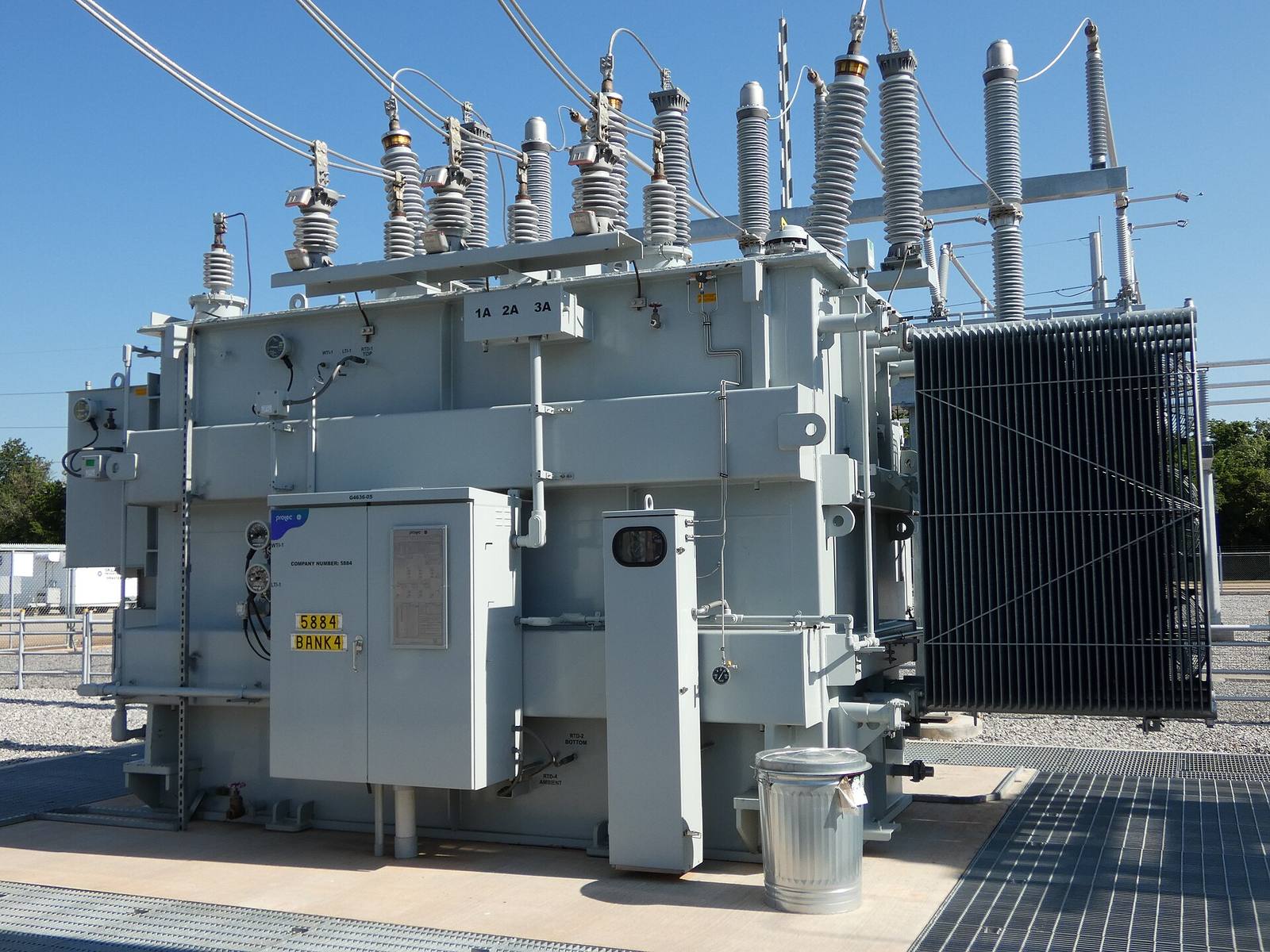
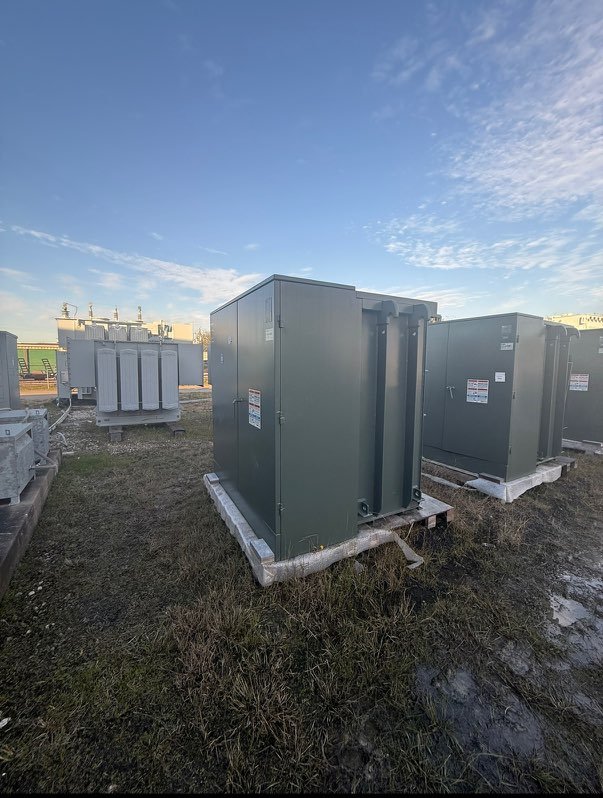
Transformer windings may use copper or aluminum, and core material, steel tank, accessories, and insulating media contribute differently to a salvage assessment. Total nameplate weight is not the same as recoverable copper weight. Material prices, contamination, disassembly, transportation, and required environmental management can all affect the net value. A complete functional unit may be evaluated for reuse instead; the buyer determines the appropriate pathway from available evidence.
Prepare the equipment information
Provide the nameplate, photos, approximate total weight, known winding material if documented, and a description of damage or missing parts. Share fluid and PCB records and the storage or installation location. Do not cut windings, open tanks, or drain oil merely to request a quote. Qualified personnel should isolate and verify de-energization before any disconnection; fluid handling must meet applicable law.
What affects an offer
Check available manufacturer documentation for winding material rather than relying on exterior appearance. Note severe fire damage, leaks, missing components, and evidence of contamination. Uncertain metal content, restricted access, and required handling or disposal can materially reduce or change a salvage offer.
Plan a safe handoff
Tell us the unit location, whether it is still connected, the available pickup window, and any access constraints. We coordinate freight under the agreed purchase terms. The site owner’s qualified personnel handle isolation and disconnection; any oil or PCB documentation and handling must follow applicable requirements.
See the OSHA electrical work practices and federal PCB regulations for applicable requirements. This guide is general information, not a substitute for your qualified personnel or regulatory advice.