Use decommissioning a substation to plan a transformer sale
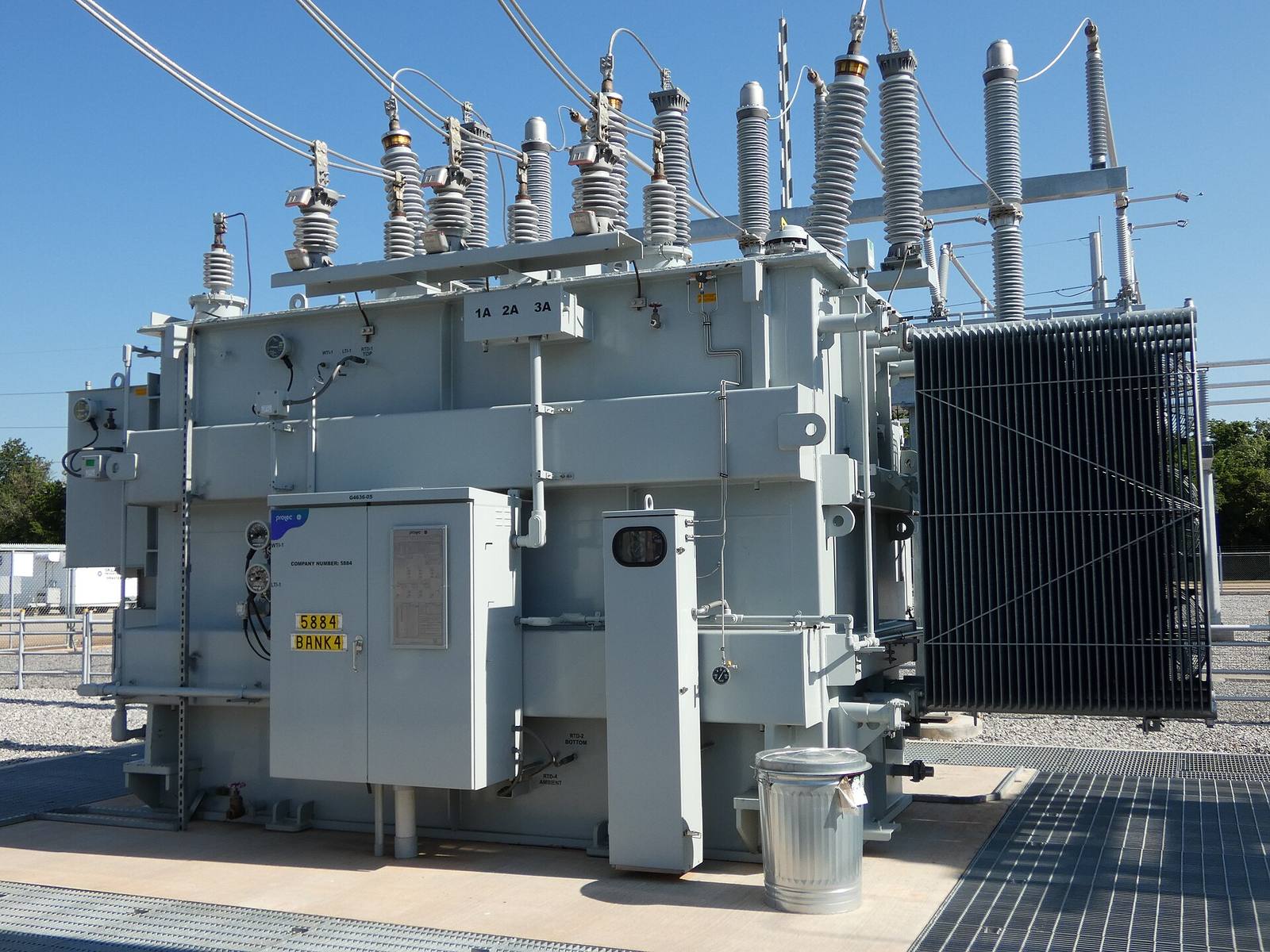
When a substation is retired, its owner can seek cash offers for transformers, switchgear, regulators, and other identified electrical assets. Define what is for sale separately from any wider demolition, environmental, or site-restoration work.
Create an asset-by-asset inventory with ratings, serial numbers, physical locations, ownership, and planned release dates. A substation may include shared buswork and live neighboring equipment, so the purchase boundary and safe access are essential. Asset value depends on condition, records, fluid status, heavy-lift requirements, and the agreed responsibilities for removal and transport. Do not assume that an equipment buyer is providing demolition, remediation, or licensed contracting services.
Prepare the equipment information
Provide a single-line diagram if available, site plan, nameplate photographs, known weights, access limitations, and maintenance and oil or PCB records. Identify operating equipment that must remain energized and clarify the proposed outage sequence. Utility-authorized qualified personnel must manage switching, isolation, required lockout and grounding, and verification of de-energization. Discuss permits and environmental responsibilities with the parties actually performing the work.
What affects an offer
Evaluate transformer tanks, bushings, controls, switchgear sections, leaks, and known fault history without entering unsafe areas. Verify the asset list and serial numbers against drawings and reports. Unclear ownership, restricted access, shared infrastructure, or uncertain fluid classification can affect whether and on what terms a purchase is feasible.
Plan a safe handoff
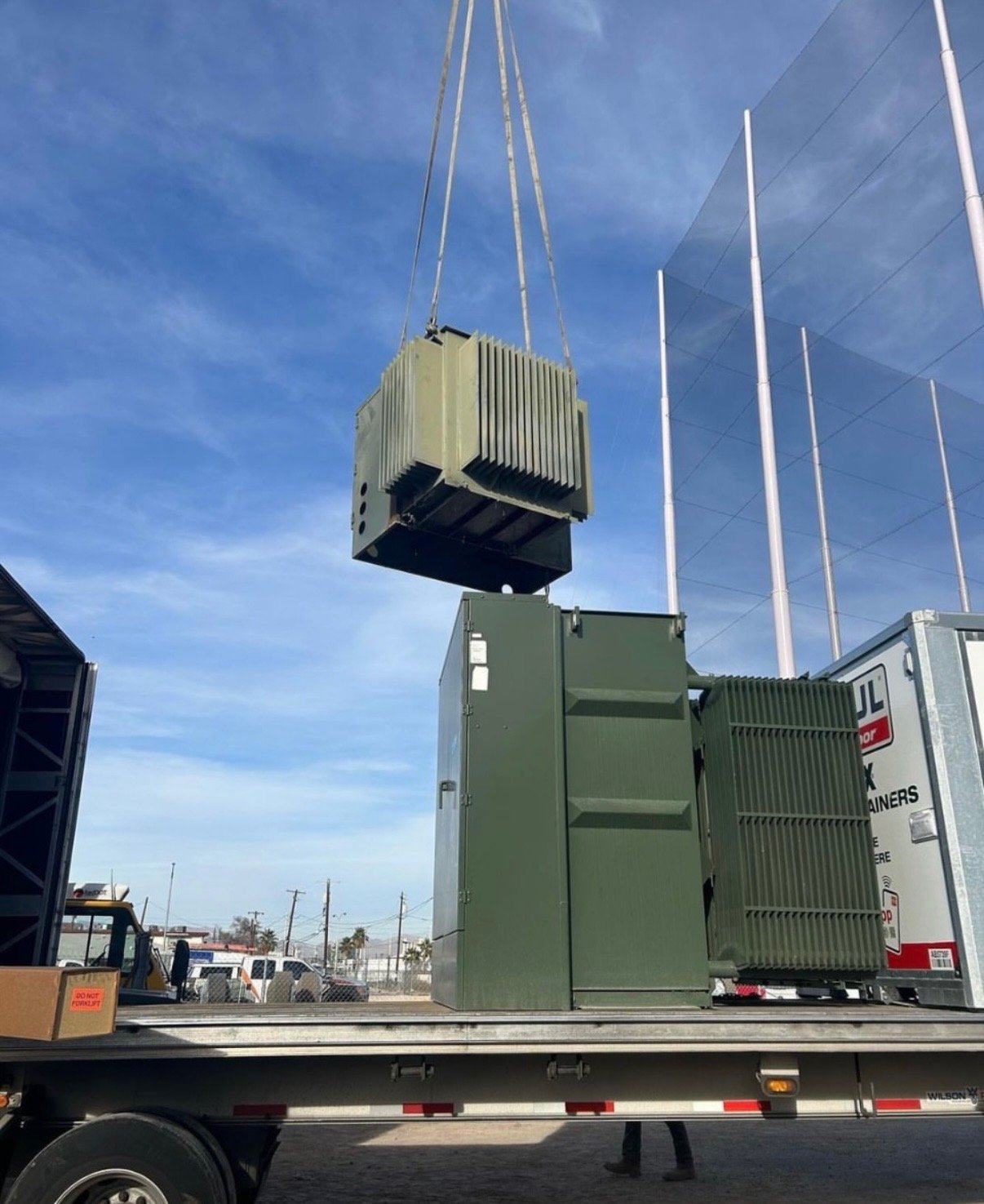
Tell us the unit location, whether it is still connected, the available pickup window, and any access constraints. We coordinate freight under the agreed purchase terms. The site owner’s qualified personnel handle isolation and disconnection; any oil or PCB documentation and handling must follow applicable requirements.
See the OSHA electrical work practices and federal PCB regulations for applicable requirements. This guide is general information, not a substitute for your qualified personnel or regulatory advice.