Use failed units to plan a transformer sale
A failed transformer may still be worth a buyer's assessment for salvage or other disposition. Describe the known failure honestly and request a cash offer based on condition, site access, fluid records, and handling requirements.
Failure can involve an electrical fault, overheating, physical impact, leakage, or another condition; the cause may be unknown until investigated. A failed unit should not be represented as operating, and a visual inspection cannot establish internal condition. Fire or fault exposure may damage adjacent equipment or change the handling plan. A buyer considers the remaining asset value against testing, containment, lifting, transport, and any required environmental management.
Prepare the equipment information
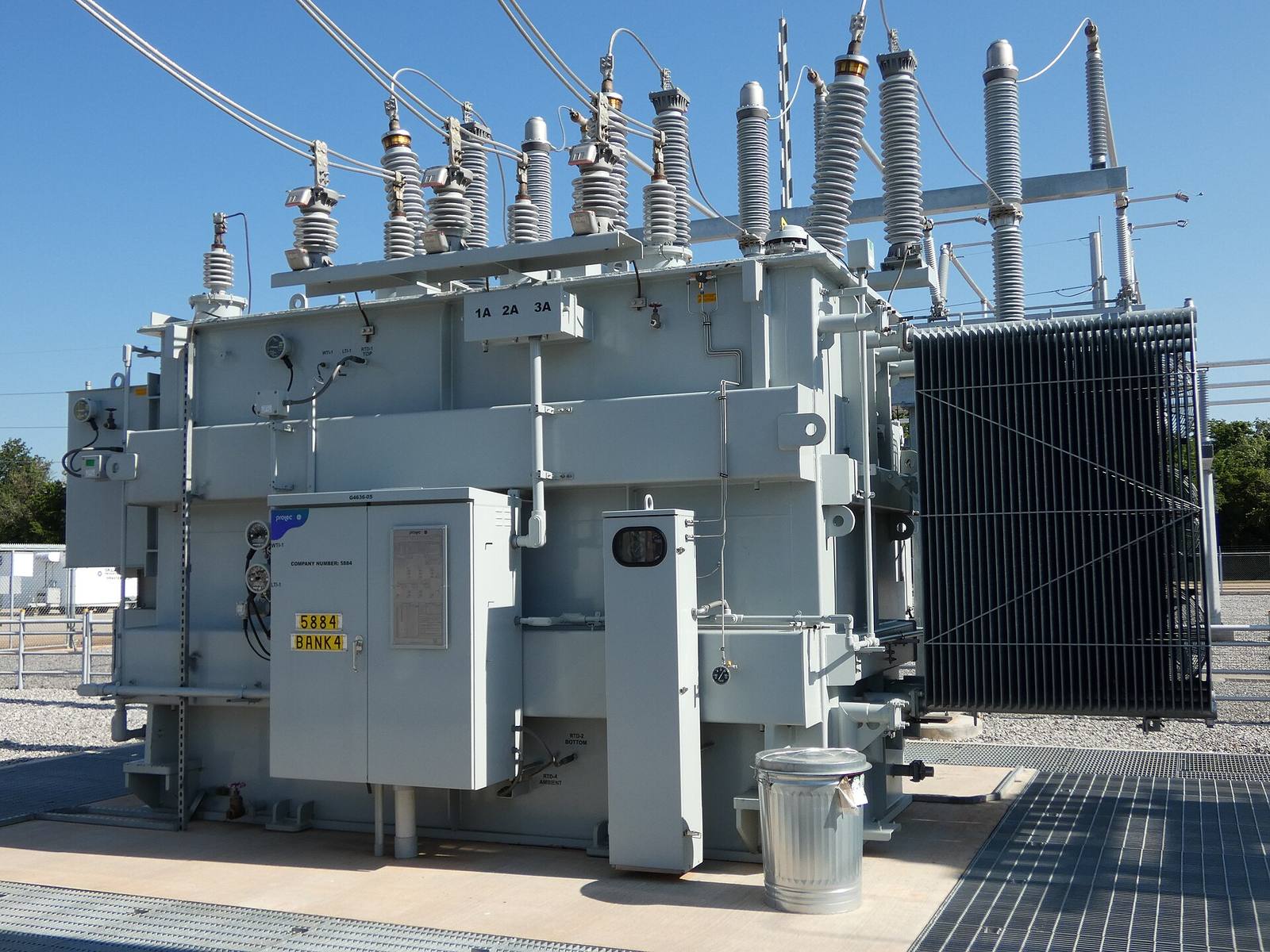
Provide the nameplate, exterior photos, fault or incident description, approximate weight, location, and available maintenance and oil or PCB records. Identify visible leaks, fire exposure, or known contamination without disturbing the unit. Qualified personnel must isolate all sources, apply required lockout, and verify de-energization before access or removal. Do not attempt to energize, open, or drain the equipment to improve a quote.
What affects an offer
Review incident records, damage to tank or enclosure, broken bushings, leaks, heat discoloration, and missing parts from a safe position. Note uncertainty about the cause and fluid status. Severe damage, compromised lifting points, or expensive containment requirements may affect purchase interest and any offer.
Plan a safe handoff
Tell us the unit location, whether it is still connected, the available pickup window, and any access constraints. We coordinate freight under the agreed purchase terms. The site owner’s qualified personnel handle isolation and disconnection; any oil or PCB documentation and handling must follow applicable requirements.
See the OSHA electrical work practices and federal PCB regulations for applicable requirements. This guide is general information, not a substitute for your qualified personnel or regulatory advice.