Use inspection and valuation to plan a transformer sale
A transformer cash offer starts with identifying the equipment and understanding its condition, location, and removal scope. A useful inspection gives a buyer enough detail to distinguish potential reuse value from the costs and limitations of salvage.
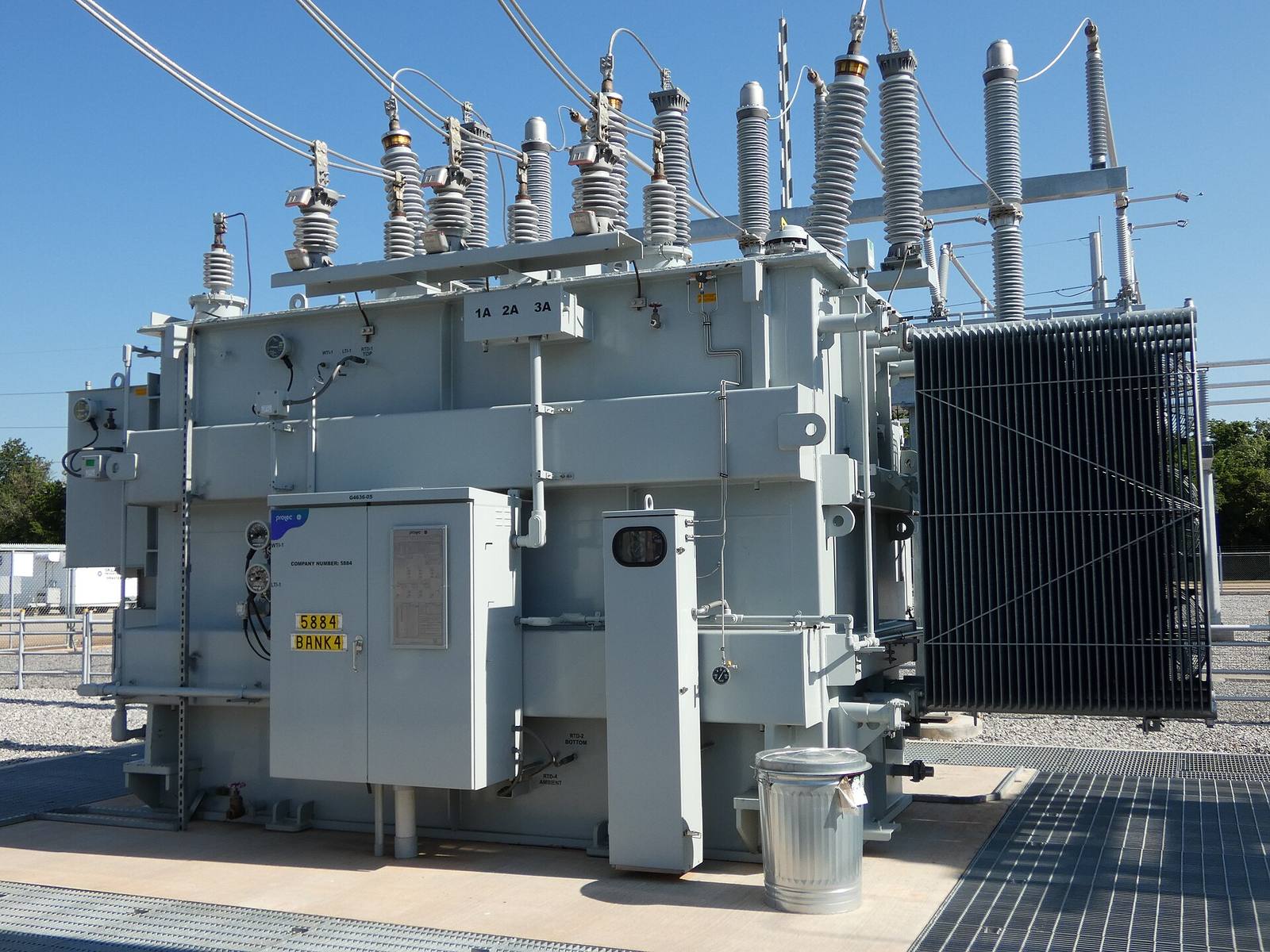
Capacity, winding voltages, phase, manufacturer, and model establish what is being offered; service history and condition help determine how it may be valued. A complete unit with accessible records may be assessed differently from one with missing parts or a known fault. Rigging, freight, fluid management, and site restrictions also affect the net offer. An initial photo review is not a guarantee of value or a substitute for any necessary on-site assessment.
Prepare the equipment information
Collect readable nameplate and exterior photographs, dimensions, estimated weight, the unit's location, and any relevant maintenance or test reports. Describe whether it is installed, disconnected, or staged, and identify accessories included in the sale. Qualified personnel should isolate, lock out as required, and verify de-energization before disconnection or internal access. Provide fluid and PCB records when applicable.
What affects an offer
Compare the serial number with the records and note leaks, corrosion, physical damage, missing fittings, or signs of overheating. Review known faults and operating condition without assuming a visual check proves electrical fitness. Access, loadout requirements, fluid status, and the reliability of documentation are decision factors in the offer.
Plan a safe handoff
Tell us the unit location, whether it is still connected, the available pickup window, and any access constraints. We coordinate freight under the agreed purchase terms. The site owner’s qualified personnel handle isolation and disconnection; any oil or PCB documentation and handling must follow applicable requirements.
See the OSHA electrical work practices and federal PCB regulations for applicable requirements. This guide is general information, not a substitute for your qualified personnel or regulatory advice.