Use oil testing and pcb to plan a transformer sale
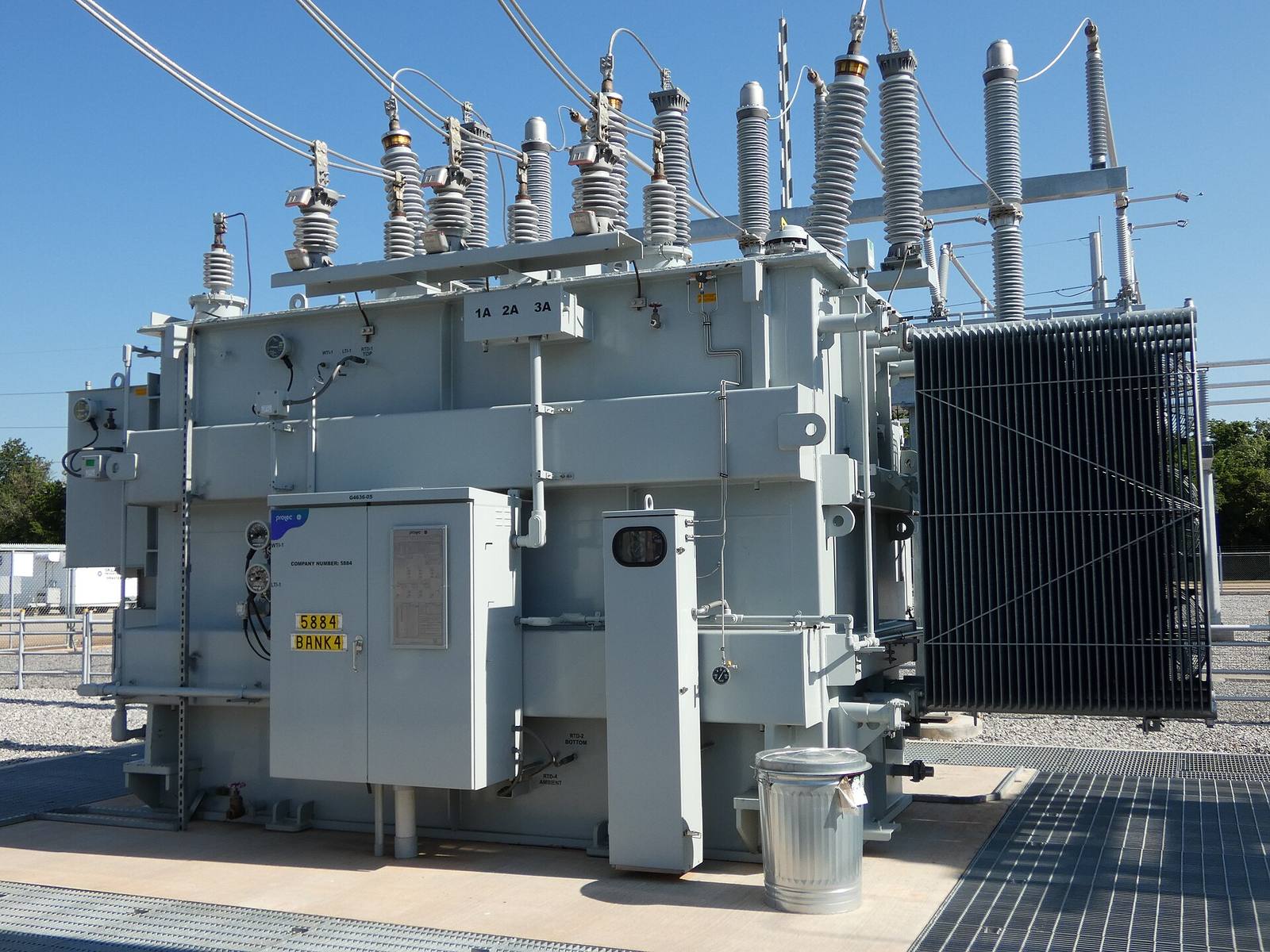
Oil and PCB information helps a buyer assess a liquid-filled transformer's condition and the legal handling associated with a potential cash offer. Share existing reports and markings, and identify unknowns rather than guessing about the fluid.
Transformer liquid may have records of condition testing, PCB analysis, replacement, or prior spills. Different tests answer different questions: a general fluid-condition result does not automatically establish PCB content. Applicable federal, state, and local requirements depend on the equipment and activity, and testing or other documented determinations may be required. Sale, transport, storage, and disposal rules can differ; arrange any necessary sampling and handling with appropriately qualified parties.
Prepare the equipment information
Locate the equipment's nameplate, PCB markings, fluid volume, sampling dates, laboratory reports, and records of oil changes or leaks. Match documents to the unit's serial number and identify whether its status is unknown. Do not open valves, drain, mix, or sample fluid solely to obtain an offer. Qualified electrical personnel must isolate and verify de-energization before equipment work, and fluid handling must follow applicable law.
What affects an offer
Check the report's sample identification, date, analytical result and units, and whether it covers the transformer being sold. Note missing records, tank leaks, damaged containment, and contradictory labels. Unknown or potentially regulated fluid can require further evaluation and affect logistics, disposition options, and the cash offer.
Plan a safe handoff
Tell us the unit location, whether it is still connected, the available pickup window, and any access constraints. We coordinate freight under the agreed purchase terms. The site owner’s qualified personnel handle isolation and disconnection; any oil or PCB documentation and handling must follow applicable requirements.
See the OSHA electrical work practices and federal PCB regulations for applicable requirements. This guide is general information, not a substitute for your qualified personnel or regulatory advice.