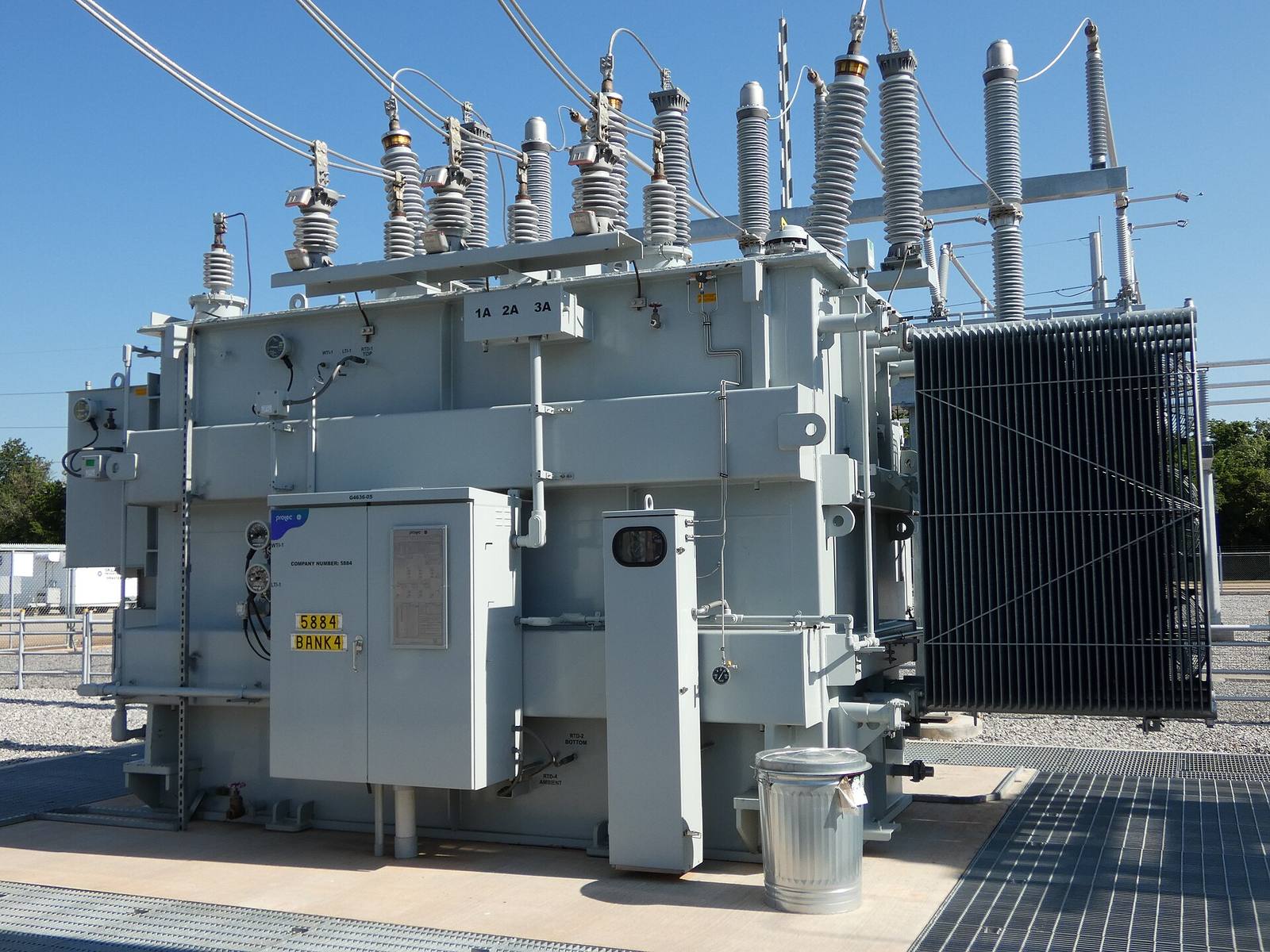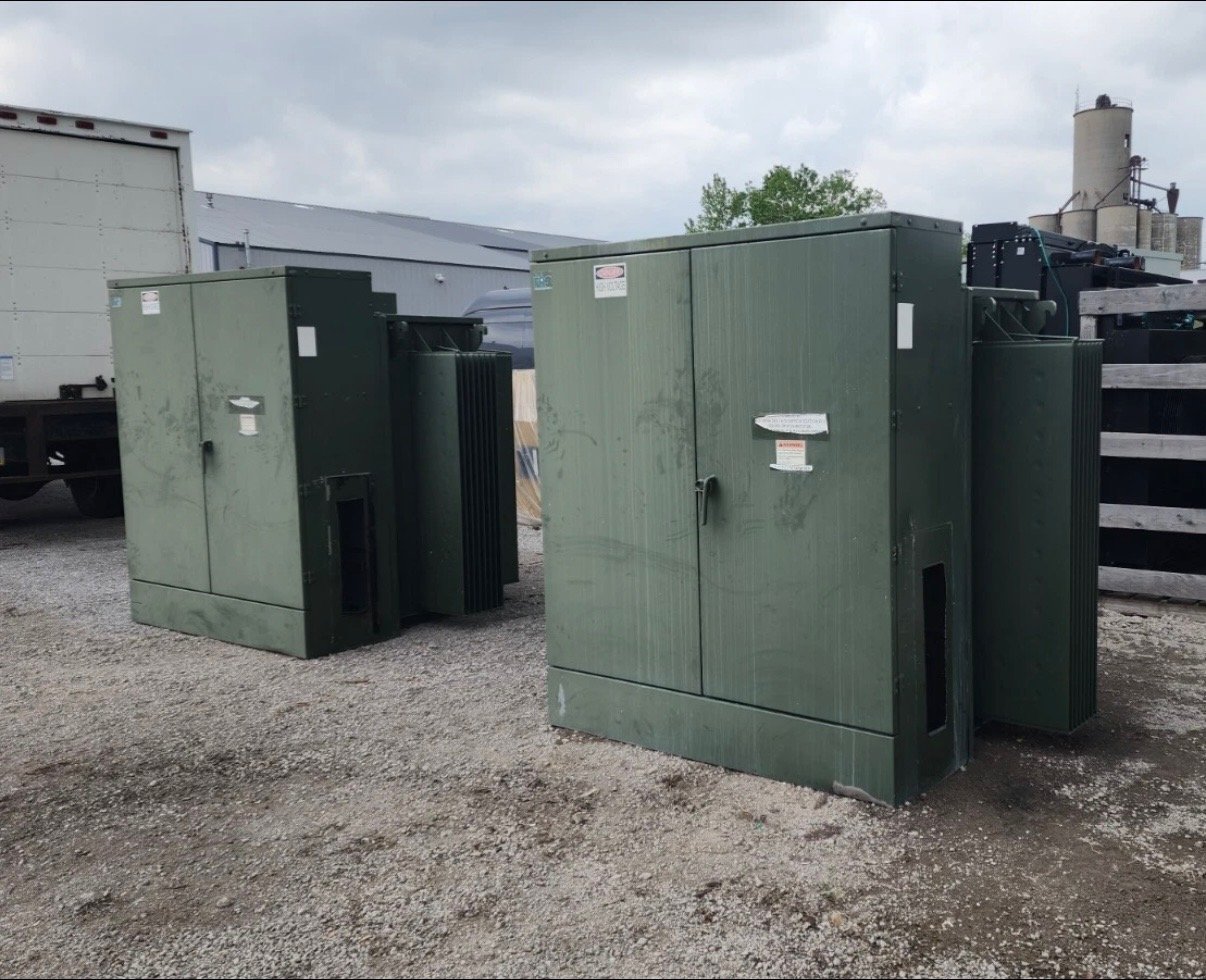
Use rigging and freight to plan a transformer sale
Moving a transformer safely can be a major part of a sale. A cash offer should be considered alongside the actual rigging, loading, route, and freight scope agreed for the equipment and location.
A transformer's shipping dimensions and weight can differ from its installed configuration, especially if radiators, bushings, or other accessories must be handled separately. Door clearances, crane reach, overhead lines, ground bearing, and road restrictions can affect the move. Responsibilities for disconnection, packaging, loading, permits, freight, and fluid management should be stated in the offer. Only trained and appropriately equipped personnel should plan and perform lifting and transportation.
Prepare the equipment information
Provide overall and transport dimensions if known, nameplate weight, the equipment's position, clear route photos, and available drawings. Identify stairs, tight turns, overhead obstructions, floor limits, gates, and truck access. Qualified personnel must isolate all sources, apply required lockout, and verify de-energization before disconnection. Share fluid and PCB documentation and any release deadline before the lift is planned.
What affects an offer
Review lifting points, visible structural damage, leaks, and the condition of the pad or floor from a safe position. Confirm whether the reported weight includes fluid and accessories. Missing measurements, inaccessible lifting points, poor ground conditions, or regulated fluid can change the equipment needed and the offer's logistics.
Plan a safe handoff
Tell us the unit location, whether it is still connected, the available pickup window, and any access constraints. We coordinate freight under the agreed purchase terms. The site owner’s qualified personnel handle isolation and disconnection; any oil or PCB documentation and handling must follow applicable requirements.
See the OSHA electrical work practices and federal PCB regulations for applicable requirements. This guide is general information, not a substitute for your qualified personnel or regulatory advice.