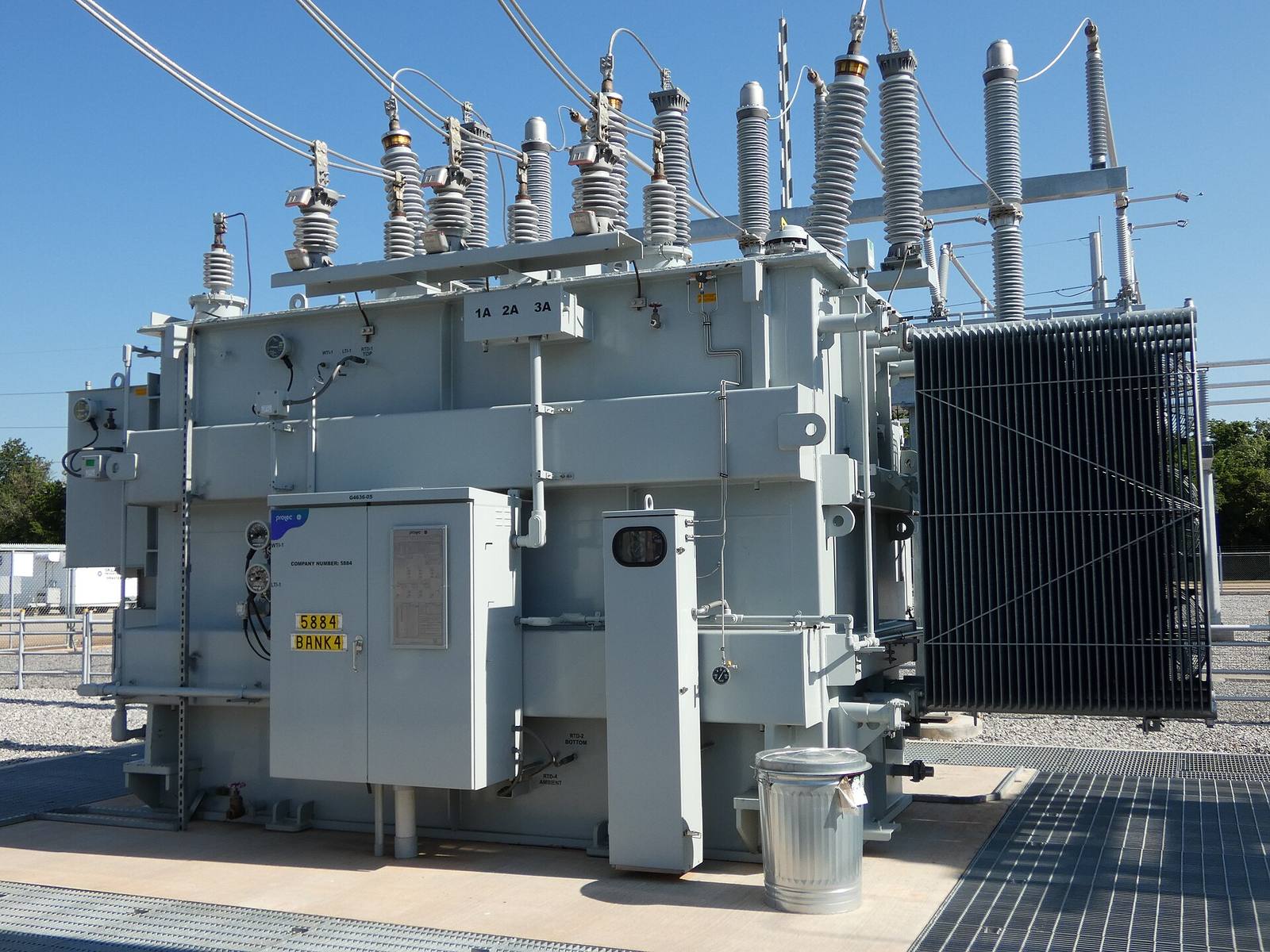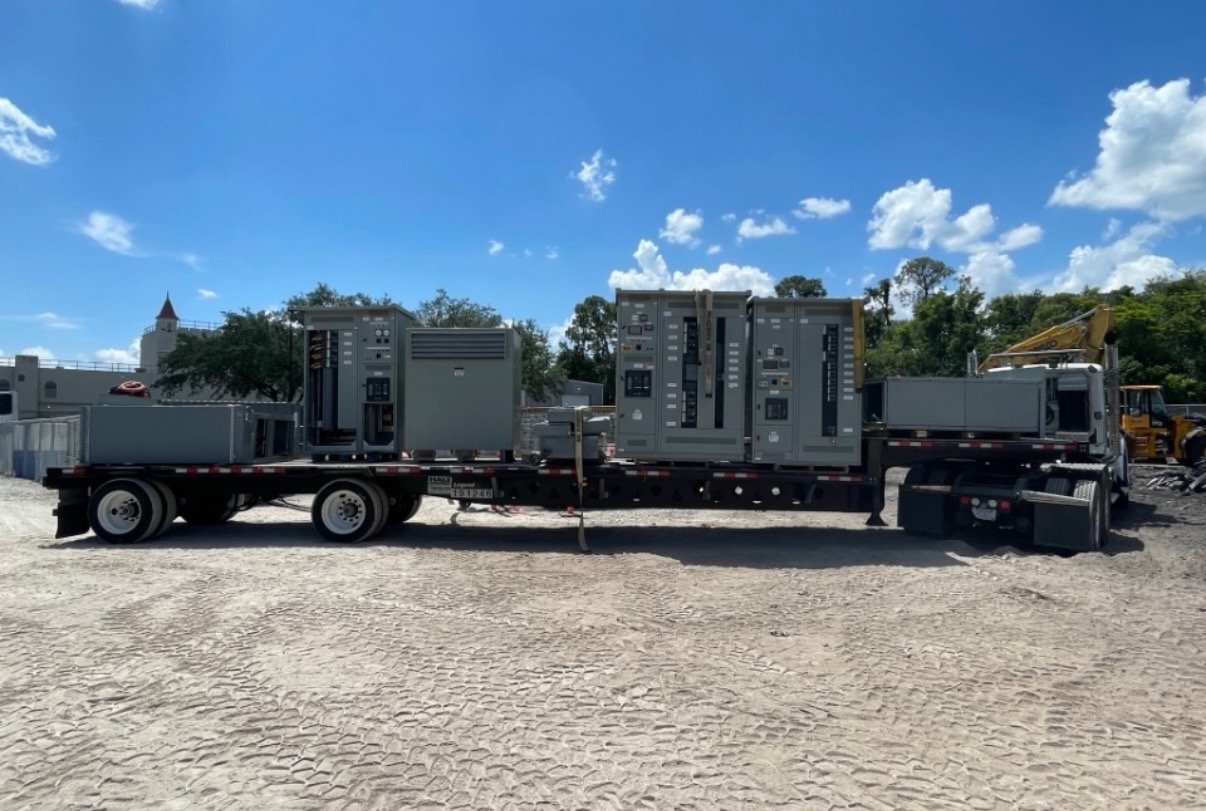
Use staged removal to plan a transformer sale
A staged release lets a seller request offers for electrical assets that become surplus at different times. The buyer can assess equipment and logistics by phase while the facility maintains approved operations on remaining systems.
Large facilities may not be able to release every transformer or switchgear section on the same date. Identify the assets in each phase, dependencies on active equipment, access routes, and any storage needs between removal and collection. An initial offer may need to reflect separate mobilizations, changing conditions, or an updated inventory. Keep asset purchase distinct from any electrical contracting, demolition, or environmental work unless the parties explicitly agree otherwise.
Prepare the equipment information
Create a schedule showing each asset's location, nameplate, estimated weight, ownership, and expected release date. Provide single-line drawings where available, route constraints, and contacts for outage coordination. Qualified personnel must plan isolation, required lockout, and verification of de-energization for each phase, including backfeed risks. Provide fluid and PCB records and identify responsible parties for lawful handling.
What affects an offer
Check each released unit against the inventory, record its condition and included accessories, and note any changes since the initial offer. Confirm that safe access and isolation boundaries have been established for that phase. Delayed releases, incomplete documentation, and repeated loading trips may affect terms and valuation.
Plan a safe handoff
Tell us the unit location, whether it is still connected, the available pickup window, and any access constraints. We coordinate freight under the agreed purchase terms. The site owner’s qualified personnel handle isolation and disconnection; any oil or PCB documentation and handling must follow applicable requirements.
See the OSHA electrical work practices and federal PCB regulations for applicable requirements. This guide is general information, not a substitute for your qualified personnel or regulatory advice.